Students attending Historically Black Colleges and Universities (HBCUs) walk on sacred ground, following in the illustrious footsteps of trailblazers. These institutions, woven into the fabric of American history, have been graced by some of the world’s most influential figures.
Thurgood Marshall and Langston Hughes roamed Lincoln University’s bucolic campus, while Kamala Harris and Chadwick Boseman notably graced Howard University’s beautiful grounds. Oprah Winfrey strolled the hallowed halls of Tennessee State University and Jesse Jackson walked the wonderful campus of North Carolina A&T.
With February being Black History Month, TMCF believes in the importance of celebrating significant contributors and highlighting the legacies of HBCUs.
Beyond their sterling academic reputations, HBCUs have been pivotal in fostering equity, accessibility, and excellence in education. They have served as critical hubs for African American empowerment and activism, particularly during the Civil Rights Movement.
The Student Nonviolent Coordination Committee (SNCC) was started at Shaw University in 1960 by Ella Baker, a major force during the Civil Rights Movement in America. Students organized sit-ins, protests, and marches to challenge segregation and discrimination, catalyzing progress.
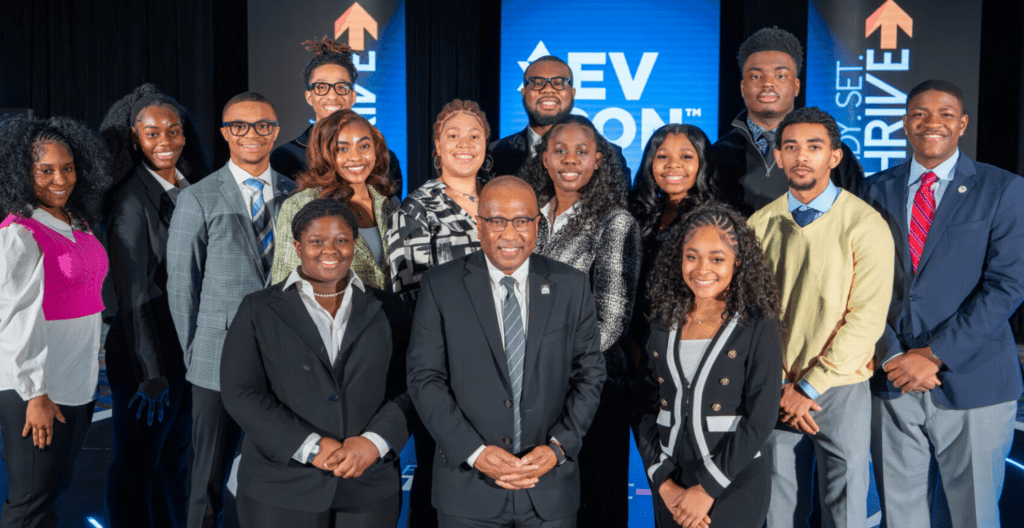
One significant outcome demonstrating progress was the establishment of the Thurgood Marshall College Fund, the nation’s most prominent champion of the Black college community, in 1987 by visionary founder Dr. N. Joyce Payne. TMCF, inspired by Justice Marshall’s commitment to fighting inequalities, has awarded over $500 million in scholarships and leadership development, continuing his legacy.
HBCUs bear the scars of the journey toward equity and justice
Tragic events like the Orangeburg Massacre at South Carolina State University in 1968, the Jackson State shootings in 1970 and Southern University violence in 1972 serve as haunting reminders of the sacrifices made in the fight for civil rights. The courage of those who made their voices heard echoes through history, shaping our society today.
- The Orangeburg Massacre: On the night of February 8, 1968, during a civil rights protest at South Carolina State University, a highway patrolmen opened fire on about 200 unarmed Black student protestors. During which, Delano Middleton, Henry Smith, and Samuel Hammond were killed, and 28 people were wounded. The tragic event served as one of the most violent episodes of the civil rights movement, yet it remains one of the least recognized.
- Jackson State: Another lesser publicized but equally tragic moment occurred on May 14, 1970, when police fired nearly 400 rounds of bullets and buckshot over 28 seconds in every direction on a crowd of peacefully protesting students in front of Alexander Hall. When the firing ceased, Phillip Gibbs, a junior political science major who was married with two children, and James Green, a senior at nearby Jim Hill High School, who was walking home from work on the opposite side of the street, were slain, and 12 others were wounded.
- Southern: On November 16, 1972, Denver Smith and Leonard Brown were killed during a peaceful protest that neither was involved in when a single blast of buckshot fired by an unidentified deputy killed the two 20-year-old men in a stream of fleeing students.
Memorials like the Smith Hammond Legacy Plaza at South Carolina State, the Gibbs-Green Plaza at Jackson State and The Smith-Brown Memorial Union at Southern are solemn tributes to those who lost their lives in the pursuit of equality. These compelling events underscore the impact of the Civil Rights movement and resilience of HBCU students who pressed forward despite adversity.
For 150 years, HBCUs have been beacons of hope, providing pathways to economic opportunity and equity through education. TMCF not only facilitates upward mobility but also amplifies the voices and aspirations of current students, ensuring they can create their legacy and blaze trails for future generations.