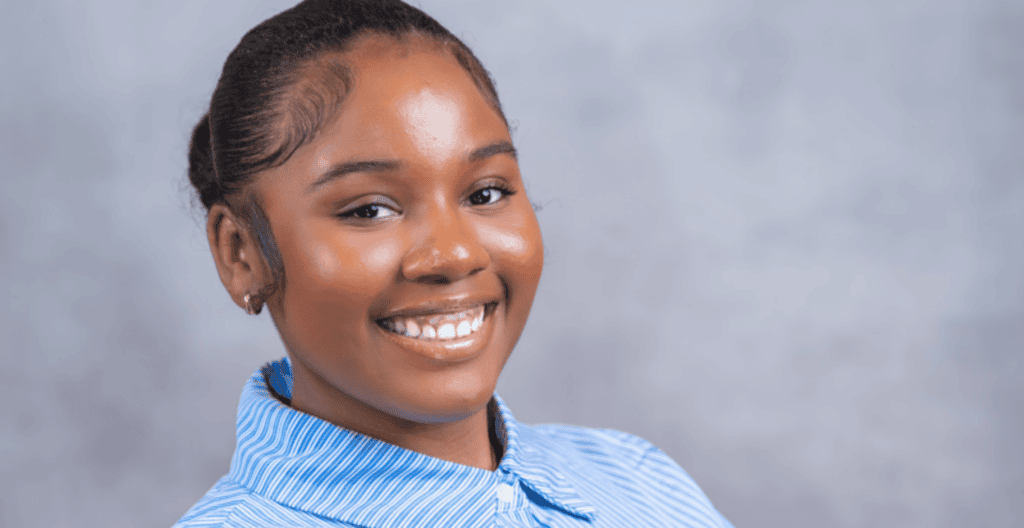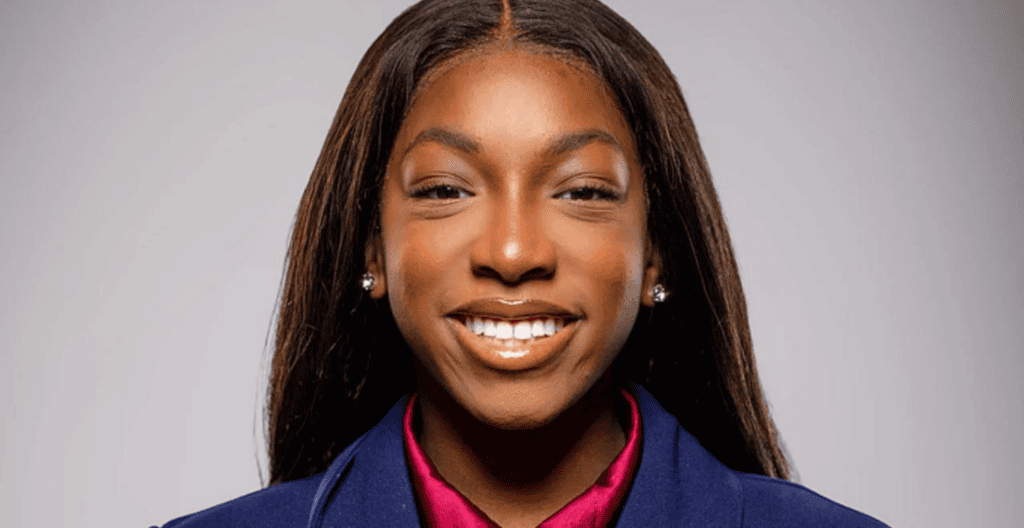
Before stepping onto campus at North Carolina A&T State University, Jy’Mir Fuller wasn’t sure how he would navigate networking, internships or his future in technology. Now, the sophomore computer science major has secured a competitive internship and credits the Thurgood Marshall College Fund (TMCF) with helping him turn uncertainty into opportunity.
Fuller first learned about TMCF through a friend who attended DevCon and spoke highly of the experience. That conversation sparked his interest in getting involved.
“After hearing about it, I knew I wanted to be part of it,” Fuller said.
His introduction to TMCF came through DevCon, where he said he quickly realized the organization offered more than just networking events. It offered exposure, confidence and access. One moment that stood out, he said, was seeing students take the stage and the sense of empowerment they carried.
“That was the first time I really saw what was possible,” he said.
Through TMCF, Fuller participated in the Capital One Launchpad program, where he built professional connections that extended beyond the event itself. One of those connections is set to become his roommate during his internship with Fidelity Investments, where he will work as a software engineer.
Fuller said TMCF also played a major role in helping him prepare for interviews. Experiences such as Verizon and Capital One case studies gave him concrete talking points that helped him stand out to employers.
In addition to professional development opportunities, Fuller received a Nike scholarship through TMCF, which helped ease his financial burden and allowed him to focus more fully on academics and career preparation.
Beyond tangible benefits, Fuller said the organization helped him build confidence and refine how he presents himself in professional settings. He said he is now more comfortable articulating his leadership experience and engaging with recruiters.
“TMCF puts you in front of so many companies and helps you build connections,” he said. “Without it, reaching out to employers and succeeding in interviews would have been much harder.”
Fuller has since encouraged other students to get involved and has watched peers expand their own networks through the organization.
“I’ve seen people I look up to in TMCF, and the relationships you build aren’t super formal or uncomfortable,” he said. “They help you break out of your shell and connect on a deeper level.”
Looking back, Fuller said the biggest change is his outlook on the future. What once felt uncertain now feels structured and attainable.
“Now, I see a clearer path forward,” he said.