
Overview
From its first Summer Institute in 2009, the Teacher Quality and Retention Program (TQRP) has provided high-caliber training and mentoring to aspiring, pre-service and new teachers from HBCUs and PBIs across the country. TQRP has grown into a robust, research-based program that has impacted over 350 program fellows over the last 10 years across 20 different states and 57 TMCF member-schools. TQRP Fellows have impacted over 50,000 K-12 students in high-need urban and rural areas across the nation.
TQRP is a fellowship supporting new and aspiring teachers. It provides high-quality, pre-service training, as well as personalized support once teachers enter into the classroom. Fellows are a part of a close-knit network of diverse teachers passionate about teaching in high-need communities. Fellows have access to year-round professional development and attend an intense summer institute that presents content from a culturally responsive, trauma-informed, social-emotional learning approach. TQRP supports three individual areas of focus: HBCU males, STEM and new teachers in developing sound pedagogy and research-based educational practice– all with the goal of becoming future teacher leaders.
The TQRP application process is competitive and open to all interested candidates. Chosen participants, known as TQRP Fellows, embark on a multi-year commitment that begins with a summer institute each year. Fellows continue development with opportunities for year-round professional development and support, as well as 1:1 coaching, mentorship and leadership training. Our TQRP Fellows will become the next generation of teacher leaders and part of a community of educators unlike any other.
The Need for TQRP
Having one Black teacher in elementary school lowers the high school dropout rates of low-income Black boys by 39% and raises the college aspirations of poor Black students, both male and female, by 19%.
- 50% of students in public schools are minorities. Only 6% of teachers are Black and less than 2% are Black male teachers.
- Black teachers leave the profession at rates approximately 25-30% higher than white teachers.
- 91% of former fellows are still working in the field of education.
- 73% of supervisors report that TQRP training will improve teacher retention.
- TQRP Fellows were judged more proficient than their peers 62% of the time.
Learn More
Summer Institute
A major component of the Teacher Quality and Retention Program (TQRP) is the Summer Institute. The primary purpose of this rigorous, hands-on training is to better equip our TQRP Fellows with the knowledge and skills they need to enter and succeed in competitive and challenging teaching environments. In addition, the institute helps our future and new teachers further develop their pedagogical skills, and acquire the tools needed to become teacher leaders on their campuses and beyond.
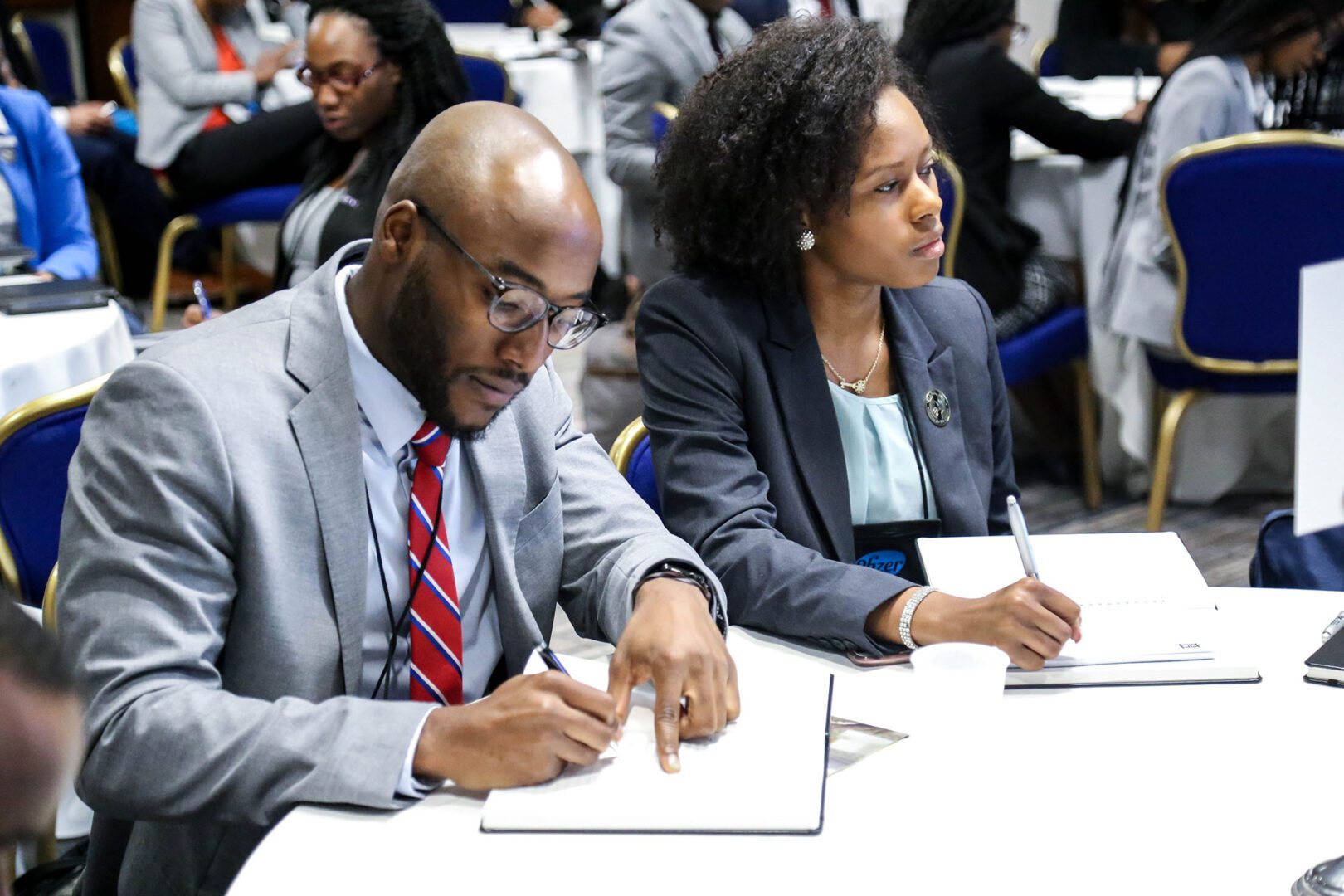
Each year, TQRP Fellows, comprised of new and aspiring Black teachers representing HBCUs across multiple cities, participate in an intensive, in-person professional development opportunity. Fellows engage deeply in pedagogical and instructional practice sessions designed and delivered by experienced educators.
Participant Tracks:
Black Male Fellows - This track offers fellows specialized mentoring through virtual monthly sessions designed to foster rich dialogue about their experiences in the teaching profession and to develop a network of peers. They also participate in brother-to-brother panels and a STEM-focused practicum.
Pre-Service Fellows - Undergraduate students from HBCUs preparing to teach in K-12 settings follow this track. Fellows participate in a practicum where they create and teach a 45-minute STEM-based lesson, receiving coaching and feedback throughout the process.
In-Service Fellows - K-12 teachers (in their first three years of teaching) or Black male K-12 teachers (in their first five years of teaching) who graduated from an HBCU quality for this track. Fellows engage in advanced professional development sessions and participate in the sister-to-sister and fireside chat panels.
Key Components:
- Strengths-based professional development
- Psycho-educational processing groups
- Culturally responsive teaching strategies
- Trauma-informed and social-emotional learning approaches
- Classroom management techniques
- Standards-based instruction and assessment
- Technology integration across content areas
Program Format:
The Summer Institute is typically conducted as an intensive, in-person professional development experience in July. The program brings together approximately 75 to 100 fellows from more than 20 HBCUs representing cities across the country, creating a diverse cohort of educators committed to excellence in teaching.
Typical Cohort Demographics:
- Timing: In-person Summer Institute held in July, with virtual components
- Participants: 75 to 100 fellows annually
- HBCU Representation: More than 20 HBCUs from multiple states
- Geographic Reach: Participants from cities nationwide
- Gender Distribution: Approximately 75% female, 25% male
- Academic Performance: Average cohort GPA of 3.5
TQRP Partners